The Ultimate Guide to AI & Technology Tools in 2025: Boost Productivity, Creativity, and Innovation

Introduction: Why AI & Technology Tools Matter in 2025
Artificial intelligence (AI) and technology tools are no longer futuristic concepts — they are integral parts of our daily lives. From automating repetitive tasks to generating creative content, AI is transforming the way we work, learn, and create. For individuals, entrepreneurs, and businesses alike, understanding and leveraging AI tools is now a necessity to stay competitive.
In 2025, AI tools are becoming smarter, more accessible, and more versatile. They can assist with content creation, automate workflows, enhance productivity, improve marketing strategies, and even support personal development. For bloggers, digital creators, and tech enthusiasts, using these tools effectively can save countless hours, increase output quality, and unlock new opportunities.
This guide will take you through the most essential AI and technology tools for 2025, categorized by their purposes. Whether you are looking to create stunning visuals, automate tedious tasks, or explore innovative business solutions, this article will equip you with the knowledge to harness AI effectively.
AI Tools for Content Creation
Content creation is one of the fastest-growing fields benefiting from AI. Modern AI tools help writers, designers, and video creators produce high-quality work faster than ever.
AI Writing Assistants:

AI-powered writing tools like ChatGPT, Jasper, and Copy.ai have completely revolutionized how we write and communicate. These tools can generate blog posts, social media captions, and marketing emails in seconds. They also provide intelligent writing suggestions that improve clarity, tone, and engagement. Many even support multilingual translation, making global communication easier than ever.
For example, a blogger can use ChatGPT to draft a 1,500-word article in minutes, saving hours of manual effort. The best approach is to always review AI-generated content to ensure accuracy and maintain a personal voice. Combining AI assistance with human creativity creates authentic, engaging, and polished results.
AI Design Tools:

Visual content is vital for digital engagement. Tools like Canva AI, MidJourney, and DALL·E make it incredibly easy to create professional-looking graphics, logos, and banners — even if you’re not a designer.
Canva AI automates design creation for social media, presentations, and advertisements. MidJourney and DALL·E allow users to type a prompt and instantly generate high-quality, unique images. For example, you can request a “futuristic AI-themed city background,” and the AI will render it in seconds.
To get the best results, experiment with different prompts and styles. You can use AI designs as a foundation and refine them manually to make them stand out.
AI Video and Audio Tools:

Creating videos and podcasts has never been easier thanks to AI. Tools like Pictory, Synthesia, and Descript allow users to create professional-grade content without expensive equipment or advanced editing skills.
Pictory turns written text into narrated videos, while Synthesia creates talking avatars that deliver your script naturally. Descript, on the other hand, simplifies editing by turning audio into text — you can delete or rearrange words, and the video updates automatically.
A YouTube creator can now make tutorial videos without cameras or microphones. The key is to keep storytelling at the center while using AI visuals and sound to elevate production quality.
AI Tools for Productivity and Automation

AI has become a crucial productivity partner. From managing your emails to organizing tasks, AI tools help streamline workflows and save precious time.
AI Email Assistants:
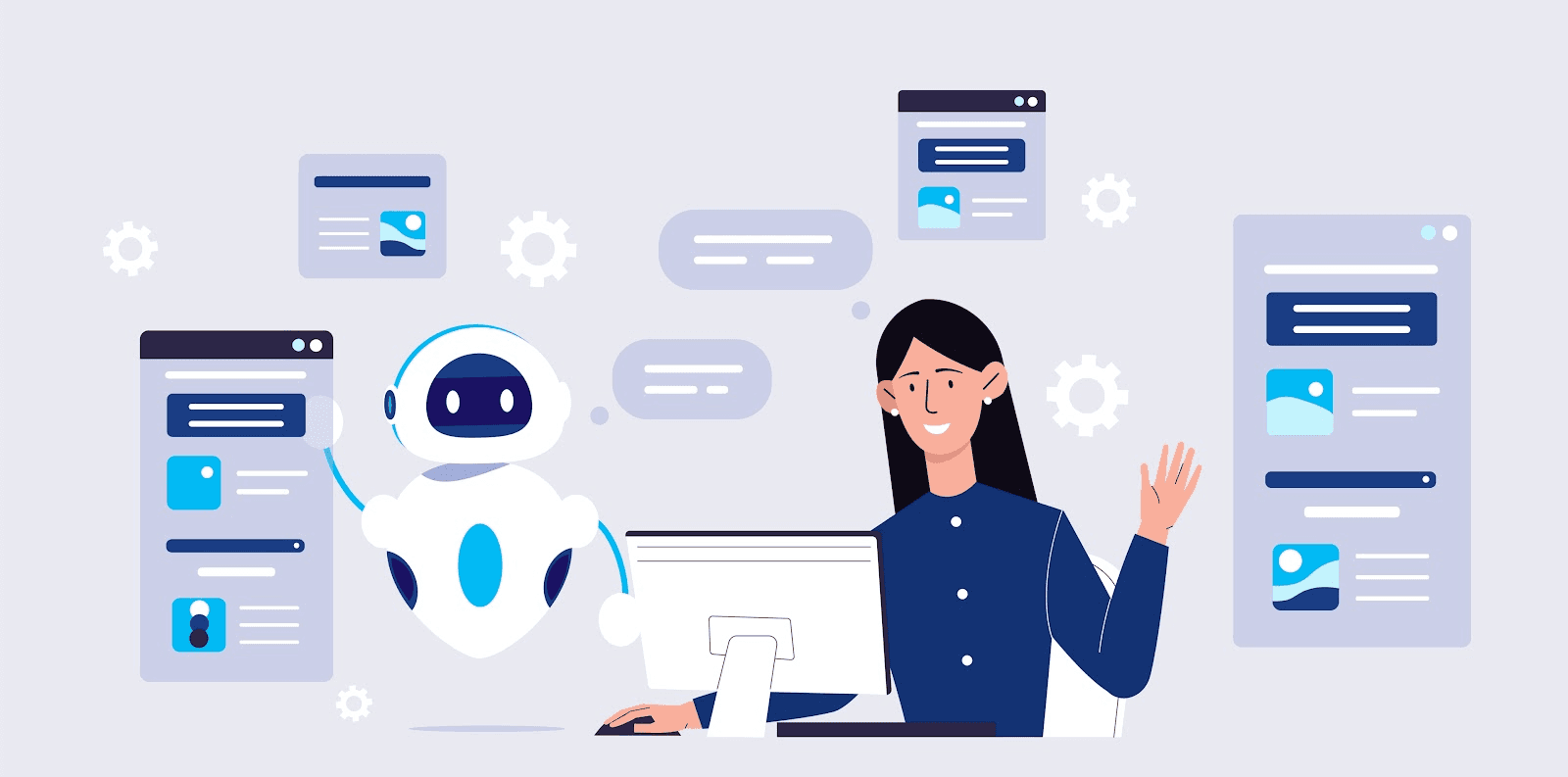
Tools like Superhuman AI, Mailshake AI, and Gmail’s built-in AI features can instantly draft emails, suggest subject lines, and even schedule follow-ups automatically. This means less time typing repetitive messages and more time focusing on strategic work.
Freelancers, for example, can automate client communication, ensuring no opportunity slips through the cracks.
Task Management and Workflow Automation:
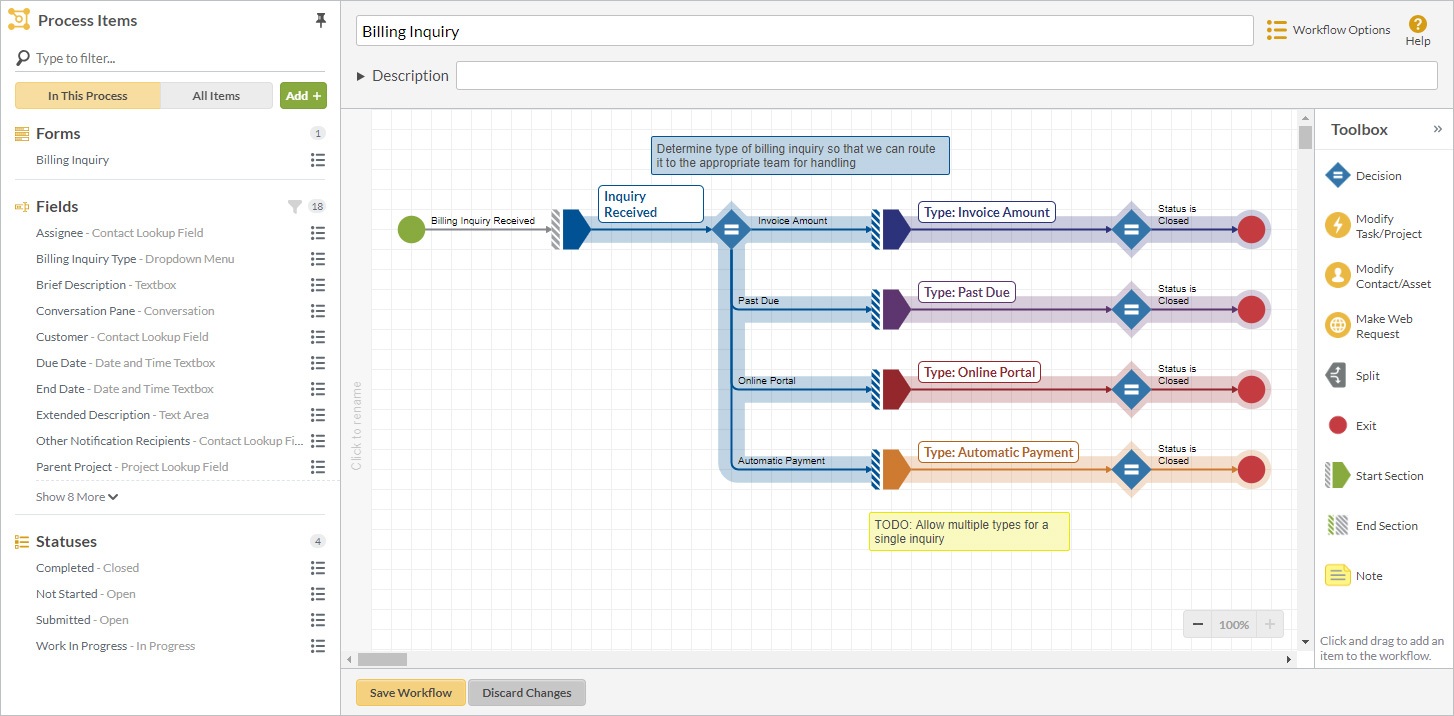
Notion AI, Trello AI, Zapier, and Make (Integromat) are top choices for automating tasks and managing complex projects. Notion AI organizes notes and projects intelligently, while Trello AI assists in card management and reminders.
Zapier and Make connect different apps — for instance, automatically posting social updates when a new blog is published or generating reports at set intervals. These automations save hours every week and reduce the chance of human error.
Start small, automate one task at a time, and refine your systems as you go.
AI-Powered Personal Assistants:
AI assistants like x.ai, Clara, and Replika help professionals manage their schedules, meetings, and reminders efficiently. They act as digital helpers that adapt to your habits.
A remote worker or entrepreneur can use these assistants to handle client scheduling across time zones or to track productivity trends — freeing up mental space to focus on what truly matters.
AI Tools for Business and Marketing

AI has become a cornerstone of modern marketing and business strategy. Whether you’re running a small brand or a global enterprise, AI tools can analyze data, improve campaigns, and personalize customer experiences.
AI for Social Media Management: 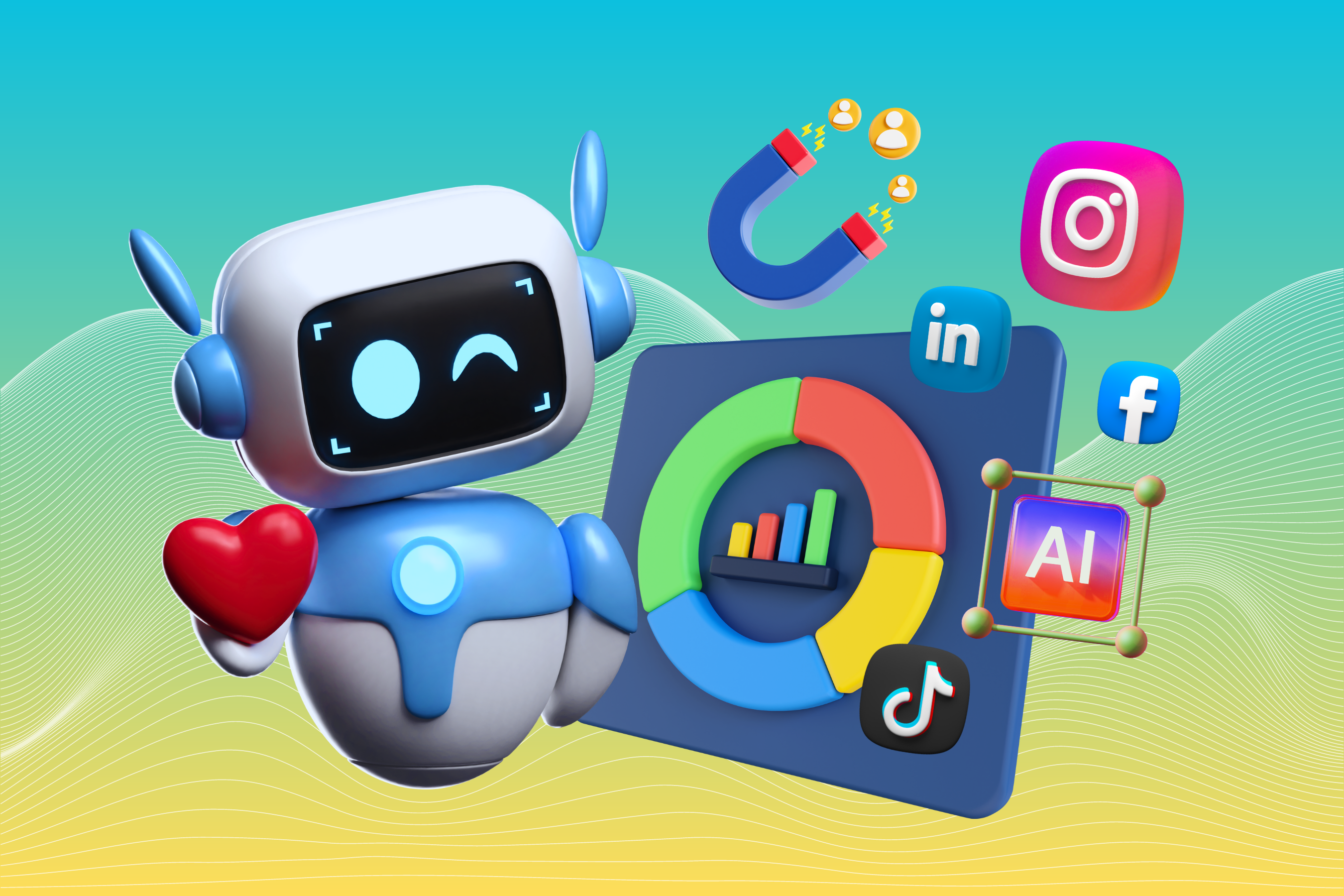
Managing social media manually is time-consuming. AI tools like Lately AI and Hootsuite AI simplify the process by automatically repurposing content, recommending posting times, and analyzing engagement.
A marketing team can schedule an entire week’s worth of posts in just a few minutes while still ensuring optimal performance.
AI for SEO and Content Optimization: 
To rank higher in search engines, tools like SurferSEO, Frase, and Writesonic help creators craft data-backed content. They identify high-traffic keywords, suggest SEO improvements, and analyze competitors.
For instance, using SurferSEO, a writer can optimize a blog post about “Top AI Tools in 2025” and quickly improve visibility on Google.
AI Analytics and Insights:

Businesses depend on data to make decisions, and AI makes sense of that data faster. Tools such as Peltarion, Tableau AI, and ChatGPT for Data Analysis help companies visualize data, forecast trends, and extract actionable insights.
An e-commerce brand, for example, can identify customer behavior patterns and use AI-driven analytics to create personalized product recommendations — leading to higher sales and better user experiences.
AI Tools for Learning and Personal Growth
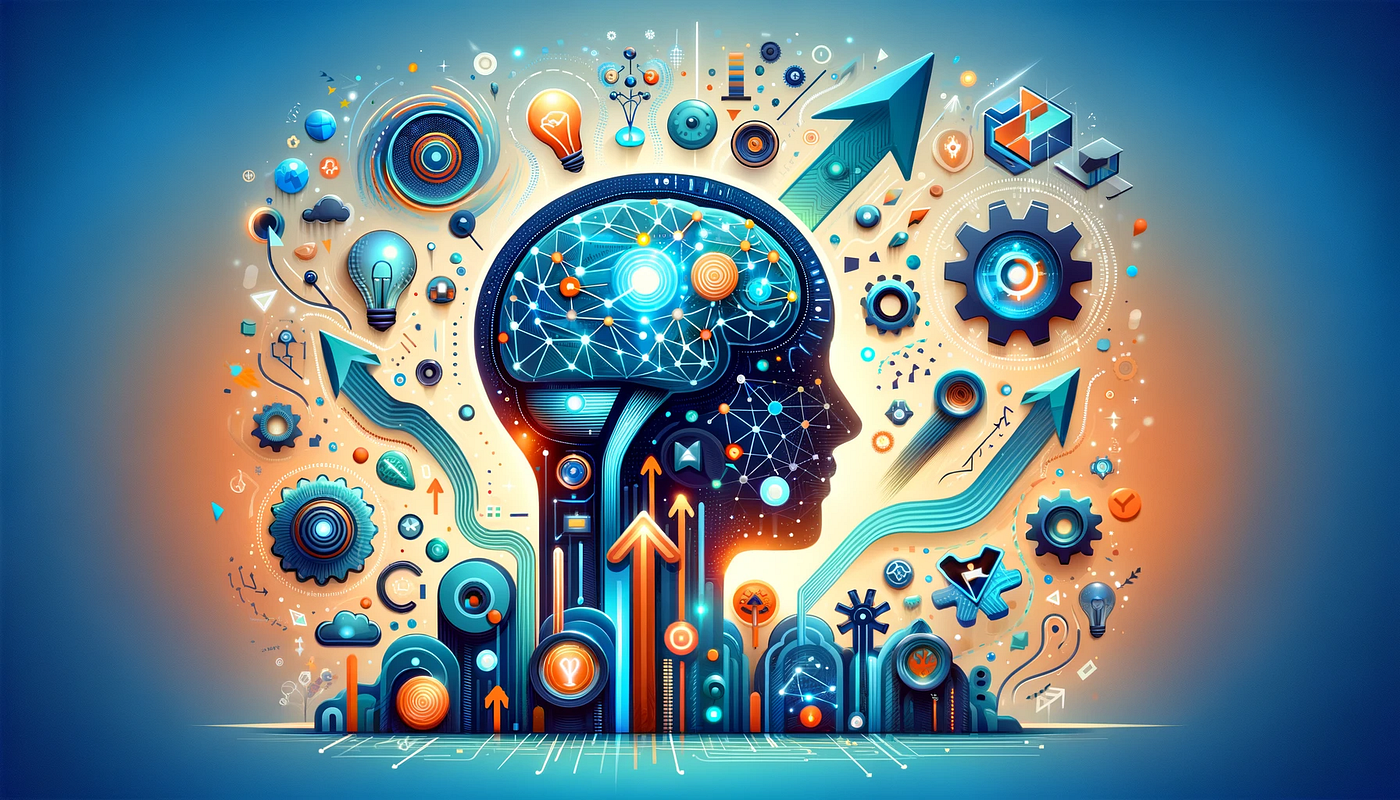
Artificial intelligence is reshaping education and personal development. With AI, anyone can access personalized learning experiences, coaching, and self-improvement tools.
AI Tutors and Education Platforms:

Khan Academy AI, Quizlet AI, and Socratic AI offer personalized study plans, instant feedback, and topic explanations. These tools act like virtual tutors available 24/7.
A student preparing for exams or learning coding can now receive step-by-step guidance, tailored quizzes, and progress tracking in real time.
AI Personal Coaches:

AI-driven coaching tools like Fabulous AI and Youper AI are changing how people approach wellness and productivity. Fabulous helps users build positive daily habits and routines, while Youper offers AI-guided mental health support through journaling and mindfulness.
Professionals use these AI companions to stay consistent with personal goals and mental well-being, receiving customized suggestions based on behavior and data.
AI for Creativity and Learning Recommendations:

Recommender systems and creative AI tools suggest new courses, books, and creative projects based on your interests. These systems inspire learning and creativity by connecting users with the right resources at the right time.
For example, an aspiring designer can get personalized AI recommendations for online design courses or tools to help improve their portfolio.
Emerging AI Technologies and Future Tools to Watch

The AI revolution isn’t slowing down — it’s accelerating. Every year, new innovations are pushing the boundaries of what AI can do.
AI in Automation and Augmented Reality:
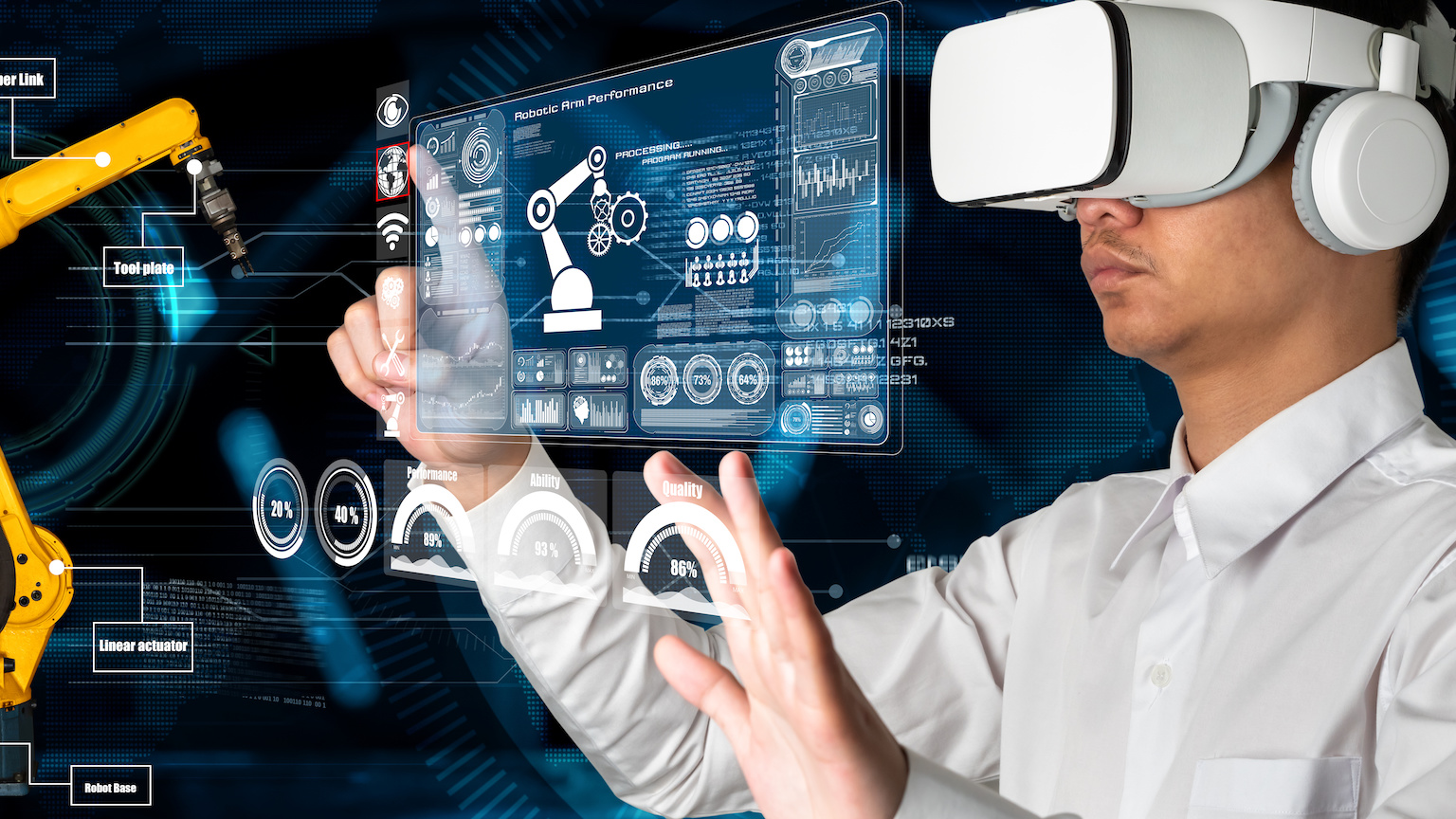
AI-powered augmented reality (AR) is reshaping industries from e-commerce to education. AR tools now allow for interactive product demos, virtual classrooms, and immersive design experiences.
Beyond AR, AI is automating increasingly complex workflows, integrating seamlessly with robotics and the Internet of Things (IoT).
Next-Generation AI Tools:

Expect to see advancements in generative AI for 3D design, automated code generation, cybersecurity protection, and fraud detection. AI coding assistants like GitHub Copilot are already helping developers write and debug code faster.
To stay current, subscribe to AI newsletters, join online communities, and follow updates from top AI research labs. Early adopters of emerging tools often gain a significant advantage.
Conclusion: Mastering AI Tools in 2025
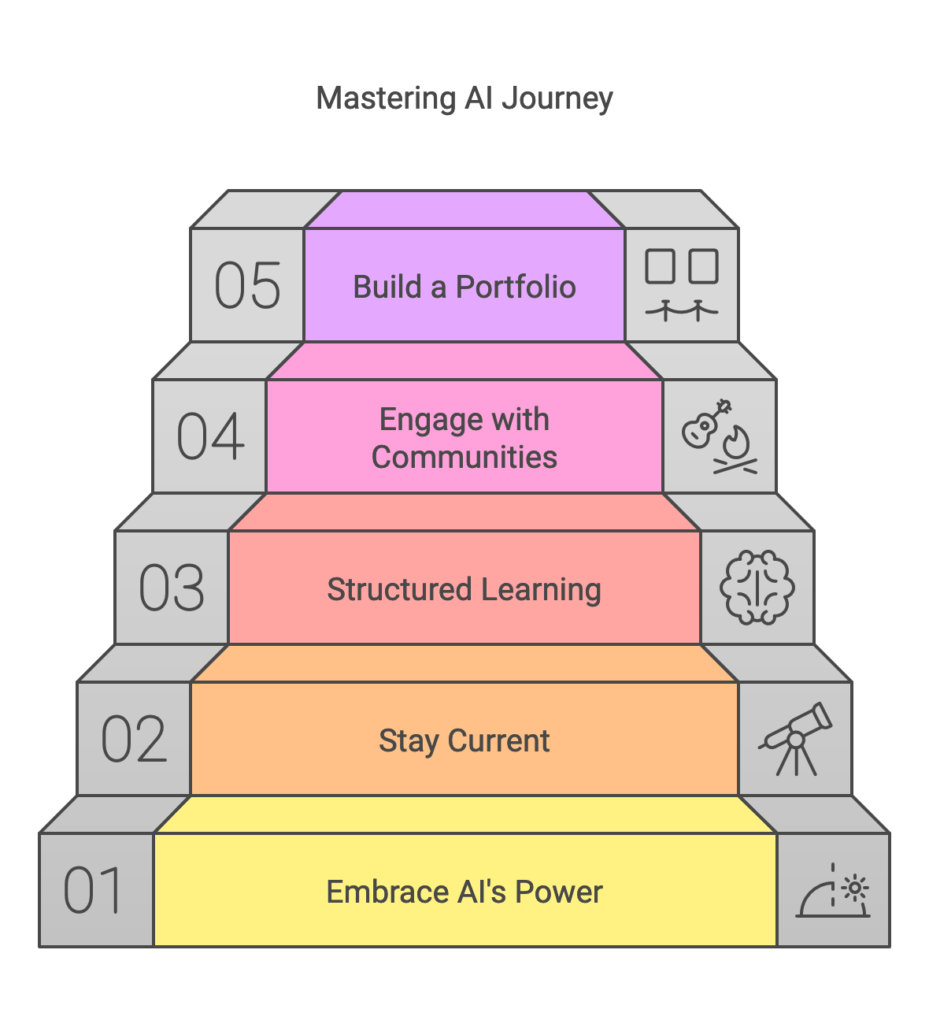
Artificial intelligence and technology tools are not optional in 2025 — they are essential. From automating work to enhancing creativity, AI empowers individuals and organizations to achieve more in less time.
Key Takeaways:
Explore various AI tools to find the ones that best suit your goals.
Always blend AI-generated output with your insights for authenticity.
Use automation to focus on creative and strategic work rather than routine tasks.
Keep learning and adapting to new AI trends to stay ahead of the curve.
By incorporating AI into your daily workflow, you can unlock incredible opportunities for growth, efficiency, and innovation. Start experimenting today and see how AI can transform your creative and professional journey.
Call to Action:
Stay updated with the latest AI tools, trends, and tutorials by subscribing to Sangvior. Explore our in-depth guides and reviews to make AI work for you in 2025 and beyond.


Comments
Post a Comment